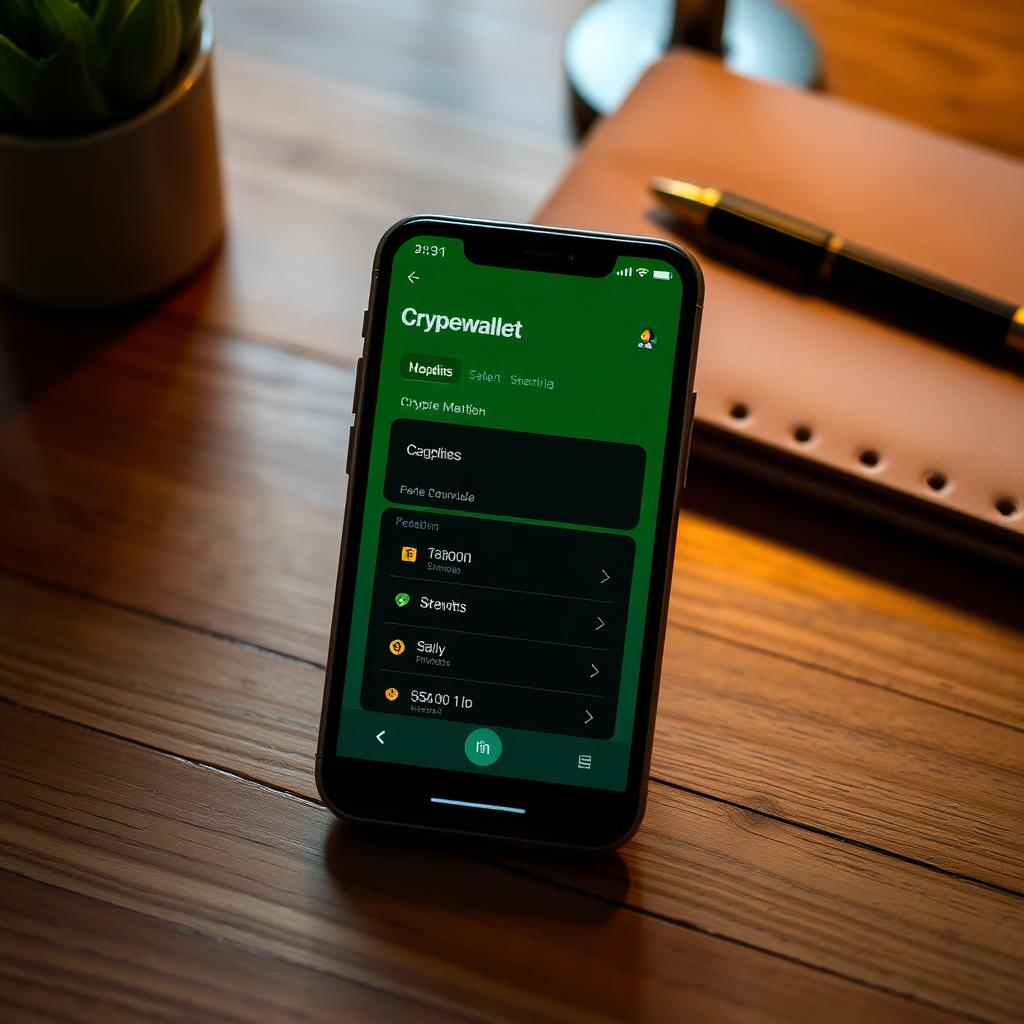
When people hear the word "wallet", they often imagine a place where money is stored. A crypto wallet is similar, but not exactly the same.
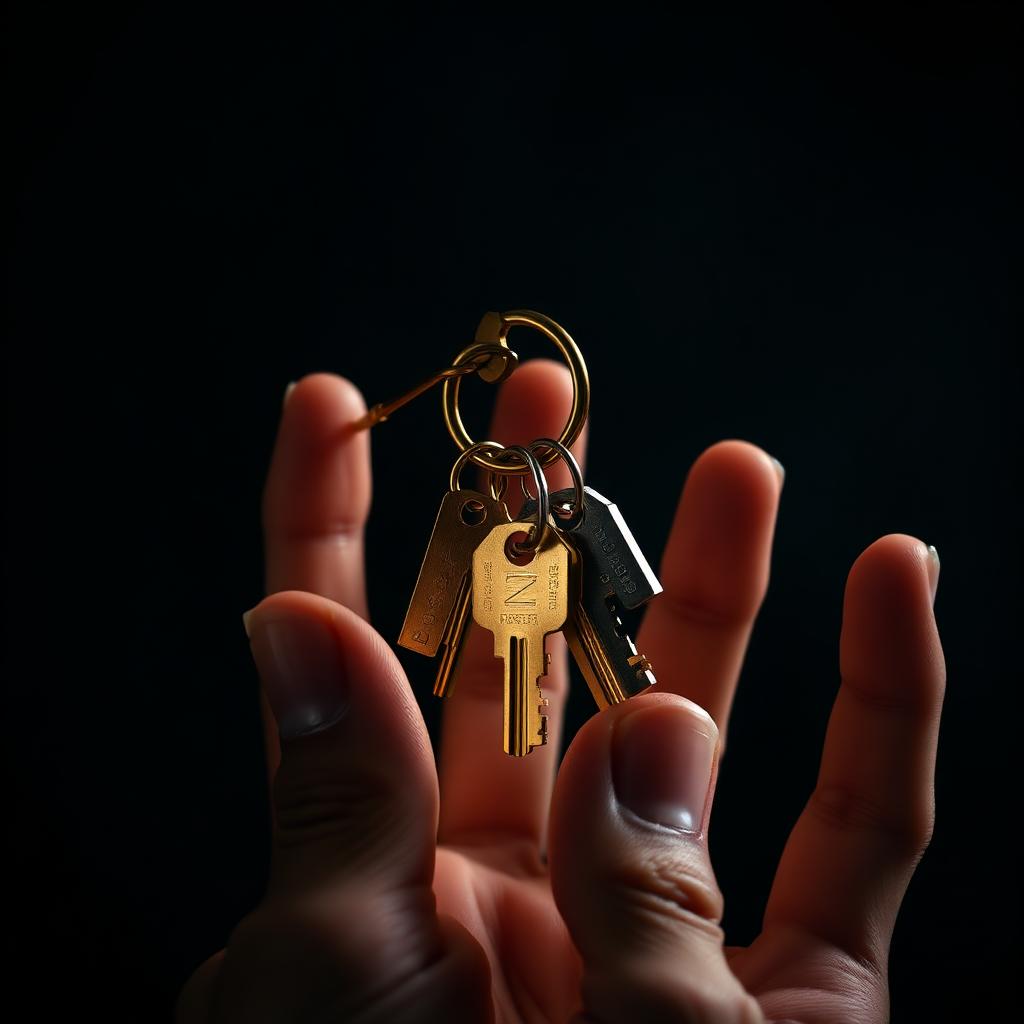
Imagine you own a house. The house belongs to you — but how do you prove it? You have a key. The key doesn't contain the house; it simply proves that you have access to it. A crypto wallet works in a very similar way.
Think of a Crypto Wallet as a Key Ring
Instead of physical keys, it contains digital keys that prove ownership of things on the blockchain — NFTs, cryptocurrency, digital collectibles. The wallet does not actually store these assets. It stores the keys that allow you to access them.
Does My Wallet Store My NFT?
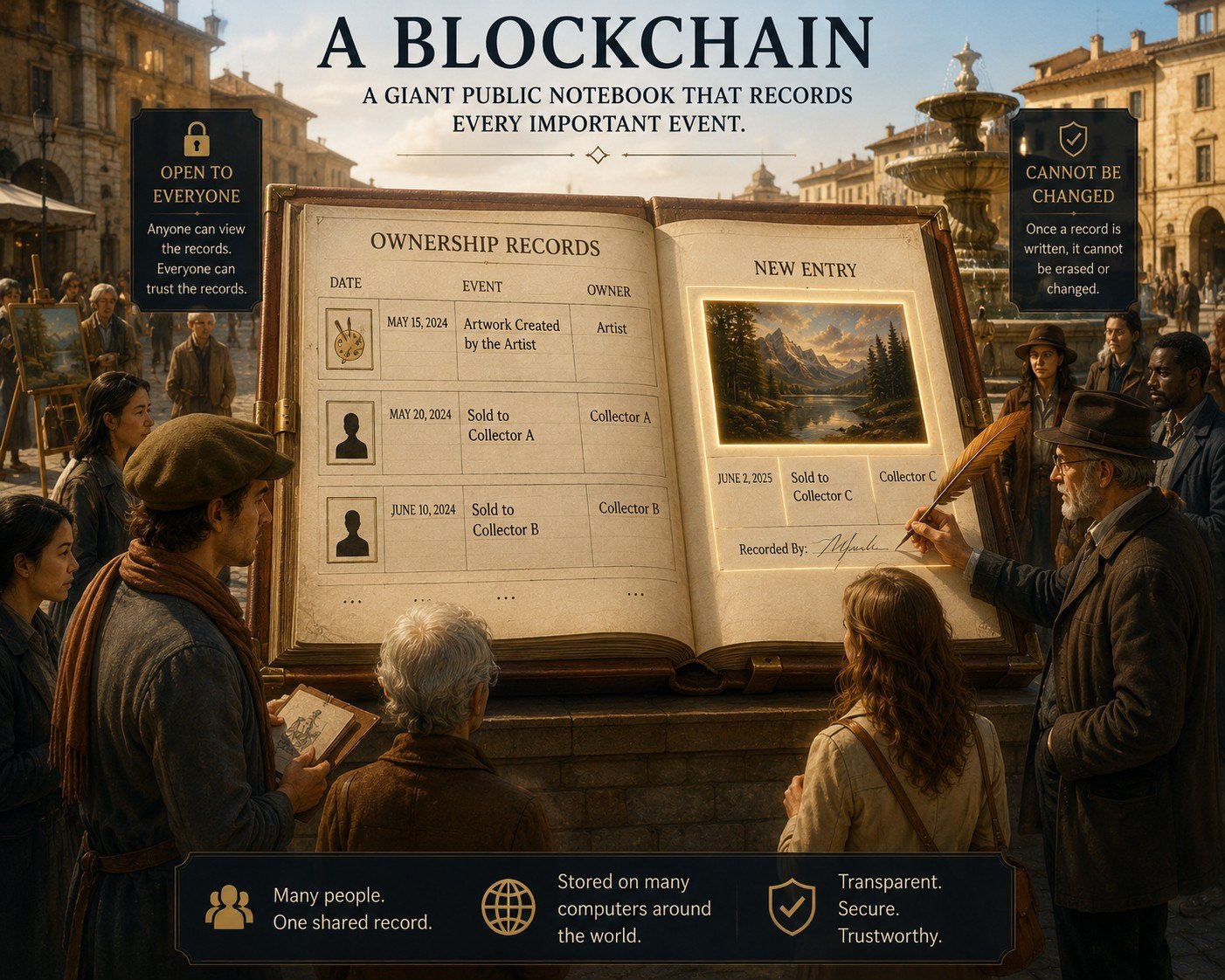
Not exactly. Imagine your artwork is displayed in a secure museum. The museum keeps the artwork safe. You have a special key that proves you own it. The painting stays in the museum. The key stays with you. Your crypto wallet is that key.
What Does a Wallet Address Look Like?
Every wallet has its own address — a digital mailing address. A wallet address looks something like 0x7A4B...91D2. You don't need to memorise it; most people simply copy and paste it.
What Is a Seed Phrase?
When you create a wallet, you are given a list of secret words. This is your Seed Phrase or Recovery Phrase — the master key to your entire wallet. If your phone breaks or you buy a new device, the Seed Phrase allows you to recover everything. Without it, recovery may be impossible.
Anyone with your Seed Phrase can control your NFTs, your cryptocurrency, your digital assets. Write it down on paper, store it securely, never share it, never email it, never post it. No legitimate company, including Mintelier, will ever ask for your Seed Phrase.
Which Wallet Should I Use?
One of the most popular wallets for artists and collectors is MetaMask. It is widely used and allows users to store NFTs, receive payments, connect to NFT marketplaces, and interact with blockchain applications.